Baby Whale Embroidery Design Review for Makers
As an embroidery designer who spends more time hooping fabric than I do sleeping, I am always on the hunt for design assets that strike the perfect balance between whimsical charm and technical reliability. Recently, I came across the Baby Whale machine embroidery design on Creative Fabrica, nestled within their Baby Animals category. Before committing to a large customer order or adding it to my shop's inventory, I needed to evaluate whether this digital embroidery file could hold up under the scrutiny of real-world production. This review breaks down the visual appeal, practical application, and commercial potential of this specific design for fellow crafters and small business owners.
First Impressions and Visual Mood
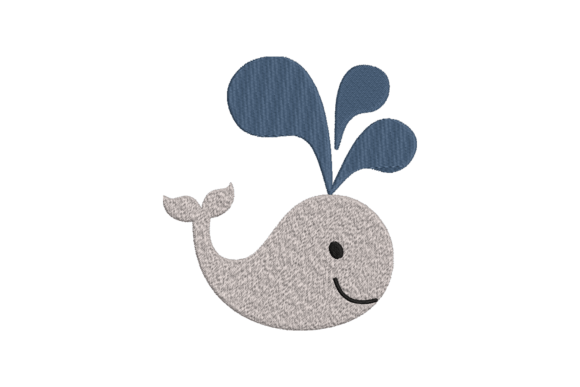
The moment I previewed the Baby Whale, I was struck by its gentle, approachable aesthetic. In the world of nursery decor and children's custom apparel, the mood of a design is everything. This piece exudes a soft, oceanic calm that fits perfectly with current trends in baby showers and coastal-themed boutiques. The line work suggests a playful personality without being overly cartoonish, making it versatile enough for high-end boutique merchandise as well as casual handmade gifts.
Visually, the design appears to utilize a mix of stitch types to create depth. While the product description invites users to "immerse yourself in the art of embroidery," the visual evidence points to a thoughtful combination of satin stitch for smooth outlines and fill stitch for the body of the whale. This layering is crucial for creating a finished product that looks professional rather than flat. For those of us selling on Etsy or at craft fairs, this decorative appeal is the first hook that stops a scrolling customer in their tracks.
Practical Application in Real Projects
The true test of any embroidery file is how it performs on actual substrates. I mentally mapped the Baby Whale onto several common projects I handle for clients. For a tote bag design, the simplicity of the whale motif works beautifully against canvas or heavy cotton. It offers enough surface area to be noticeable without overwhelming the bag's utility. Similarly, for sweatshirt embroidery, the design's scale seems appropriate for the chest or sleeve, providing a cute accent that doesn't feel bulky.
I also considered its use in commercial embroidery for local businesses, such as a seaside cafe looking for branded aprons or kitchen towels. The aquatic theme makes it a natural fit for these items. However, when moving to trickier surfaces like a structured cap, one must be cautious. Curved cap surfaces can distort designs if the stitch density is too high or if the underlay isn't sufficient. While the Baby Whale looks promising, I would recommend running a test stitch on a scrap cap to ensure the curved brim doesn't cause registration issues with the finer details.
For those creating embroidered patches, this design could be stunning if digitized with a merrow border or a clean cut-line, though you would need to verify the file formats provided to ensure your machine or cutting plotter can handle the perimeter.
Technical Considerations and Stitch Quality
Every experienced embroiderer knows that a pretty picture on a screen does not guarantee a perfect stitch-out. When evaluating the Baby Whale, several technical factors come into play. First is the stitch density. If the fill areas are too dense, the design may become stiff and prone to puckering, especially on stretchy fabrics like jersey knits used for baby onesies. Conversely, if the density is too low, the backing fabric might show through, ruining the polished look of the handmade product.
Thread color contrast is another vital element. A whale design often relies on subtle shading to define the water and the creature itself. When stitching on dark fabric, you must ensure the thread colors provided in the palette offer enough pop. I always advise checking the thread list against your own inventory; sometimes a digital embroidery file calls for a specific shade of teal that needs to be swapped for a more vibrant alternative to stand out on navy blue material.
Stabilizer selection cannot be overlooked. For a project like a baby blanket, which requires softness against sensitive skin, using a lightweight cut-away or a high-quality tear-away stabilizer is essential to prevent irritation while maintaining the shape of the Baby Whale. On textured fabrics like waffle weave kitchen towels, a water-soluble topping might be necessary to prevent the stitches from sinking into the pile, ensuring the running stitch and satin details remain crisp.
Enhancing Product Value and Brand Consistency
Incorporating designs like Baby Whale into your product line can significantly impact buyer trust and perceived value. A well-executed embroidery design signals quality. When a customer receives a personalized gift featuring a clean, detailed whale on a pillow cover or nursery wall hanging, it reinforces the idea that the item was crafted with care. This attention to detail fosters brand consistency, especially if you are building a shop around ocean themes or baby animals.
Furthermore, the visual appeal of this design translates well into product photography. Clean lines and distinct shapes make for excellent printable mockups, allowing you to showcase your custom apparel or home decor items on social media before you even stitch the first thread. High-quality images drive customer engagement, and a charming subject like a baby whale is inherently shareable.
Essential Pre-Production Checklist
Before you download and start stitching, there are practical steps every designer should take to ensure success with the Baby Whale or any other Creative Fabrica embroidery asset:
- Verify Hoop Size: Confirm that the design fits within your available hoop size. Small hoops may require re-hooping for larger versions, which risks misalignment.
- Test on Scrap Fabric: Always stitch a sample on the same type of fabric you intend to use for the final product to check for puckering or pull.
- Review Licensing Terms: Since the product description mentions unlocking possibilities for crafting endeavors, double-check the specific license on the product page regarding commercial use, especially if you plan to sell finished items on Etsy or in a physical store.
- Inspect Small Details: Zoom in on the preview to look for tiny lettering or intricate layered details that might not stitch out clearly on textured materials.
- Check File Formats: Ensure the download includes the specific file format compatible with your embroidery machine (e.g., PES, DST, EXP).
Ultimately, the Baby Whale appears to be a versatile addition to a designer's library. Its potential spans from adorable baby shower favors to stylish tote bags for beachgoers. However, as with any digital asset, the final result depends on the skill of the operator and the preparation of the materials. By respecting the technical limitations of your machine and choosing the right stabilizers and threads, you can transform this digital file into a tangible, high-value handmade product that resonates with customers.