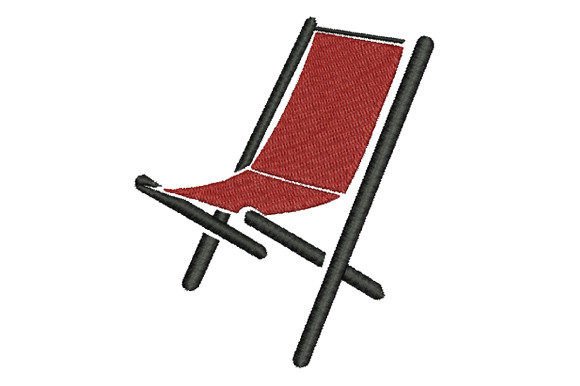
Beach Chair: A Designer's Review for Craft Fair Success
As I prepare my booth for the upcoming weekend craft fair, I am constantly evaluating which machine embroidery design will stop customers in their tracks. Among the stack of digital files on my screen, the Beach Chair design immediately caught my eye. This isn't just another summer motif; it is a nostalgic nod to those classic folding chairs we all recognize from days spent by the ocean. As an experienced embroidery designer, I look beyond the cute factor. I need to know if this embroidery file will translate well into a handmade product that sells, photographs beautifully for my online listings, and stands up to the rigors of batch production.
First Impressions and Visual Appeal
The first thing I notice about Beach Chair is its inherent charm. It feels undeniably summery, rustic, and welcoming. It doesn't scream "luxury resort" so much as it whispers "family vacation," which is a powerful emotional hook for buyers at a local market. The design strikes a balance between decorative and minimal. It is bold enough to be seen from a distance across a crowded aisle but detailed enough to invite a closer look once a customer approaches the table. For a craft fair product, immediate recognition is key. Everyone knows what a beach chair looks like, meaning there is zero cognitive load for the buyer—they get the vibe instantly.
In terms of style, this design leans heavily into the farmhouse and coastal cottage aesthetic. It would feel right at home on a linen tote or a kitchen towel. However, its versatility allows it to work in modern settings too, provided the thread choices are contemporary. If I were to use muted sage greens and sandy beiges, it becomes a sophisticated home decor element. If I opt for bright turquoise and coral, it transforms into a fun, festive accessory for a beach bag. This adaptability makes Beach Chair a strong contender for a diverse inventory.
Product Applications and Sales Potential
When planning my table display, I visualize exactly where Beach Chair will shine. Here is how I see it performing across various small shop products:
- Tote Bags: This is likely the winner. A large tote bag design featuring the beach chair on the front panel creates an instant statement piece. It works perfectly for market bags or library totes, appealing to anyone who loves the coast.
- Aprons and Tea Towels: For the kitchen section of my booth, apron embroidery and tea towel embroidery using this motif are sure sellers. Placed on the bib of an apron or the hem of a waffle-weave towel, it adds a touch of seasonal whimsy without overwhelming the fabric.
- Patches and Pouches: If the design scales down well, it makes an excellent embroidered patch. Iron-on patches are low-cost impulse buys that can boost average transaction value. Similarly, small fabric pouches for sunglasses or sunscreen become highly giftable when adorned with this icon.
- Pillow Covers: Home decor is a massive category. A centered Beach Chair on a neutral pillow cover can serve as a year-round reminder of summer, especially in regions where people crave the beach lifestyle even in winter.
For my Etsy seller peers, this design also offers great potential for printable mockup creation. The clean lines and recognizable shape render well in digital previews, helping to drive clicks to your shop before the customer even sees the physical item.
Production Practicality and Batch Work
From a production standpoint, the viability of Beach Chair depends on its technical execution. Since the description notes that it comes with multiple options, I assume there are variations in size or perhaps color splits. For a busy craft fair prep week, repeatability is essential. I need a design that hoops quickly and stitches out reliably without constant thread breaks or trim jumps.
The simplicity of the subject matter suggests that the stitch density should be manageable. Unlike complex portraits or dense fill logos, a beach chair typically relies on column stitches for the frame and perhaps satin or fill stitches for the fabric seat. This usually means faster run times, allowing me to produce more finished products in less time. However, I must verify the hoop size requirements. If the largest version requires a jumbo hoop, it limits the items I can embroider. If it fits in a standard 4x4 or 5x7 hoop, my production possibilities expand significantly.
Critical Considerations for Quality Control
Before committing to a full production run, there are several "careful-use" notes I always consider as a professional. Even the best digital embroidery file can fail if applied to the wrong substrate.
- Fabric Texture: Beach towels and textured linens can be tricky. If the design has fine details or small lettering (if included), they may get lost in the loops of a terry cloth towel. I would recommend testing on a flat-weave cotton first.
- Thread Contrast: The visual impact of Beach Chair relies on contrast. On dark navy fabric, I must ensure the thread colors pop. A mismatched thread palette could make the design look muddy rather than crisp.
- Curved Surfaces: If I decide to put this on caps, I need to be wary of distortion. The straight lines of a chair leg can look warped if not digitized specifically for curved surfaces or if the stabilizer isn't robust enough.
- Scaling: Does the design hold up when shrunk? A large focal design often loses clarity when reduced to a pocket-sized accent. I need to check the smallest version included in the pack to ensure the legs of the chair don't merge into a blob.
Maximizing Brand Consistency and Buyer Engagement
Ultimately, the goal is to create a cohesive booth display where every item feels like part of a collection. Beach Chair aids in this by providing a consistent visual theme. Whether a customer buys a hat, a towel, or a tote, the recurring motif reinforces brand recognition. It tells a story of relaxation and leisure, which is exactly the feeling we want our customers to take home.
To ensure the highest quality, I always advise fellow designers to test the design on scrap fabric identical to their final product. Check the stabilizer choice; a cut-away might be needed for stretchy fabrics, while tear-away suffices for stable wovens. Inspect the back of the stitch-out to ensure there are no excessive jumps that could snag during washing. Furthermore, since this listing falls under Freebies or specific commercial terms, it is vital to confirm the licensing agreement. Ensure you have the rights for commercial embroidery before selling hundreds of units at a fair.
In conclusion, Beach Chair is a versatile, emotionally resonant design that fits perfectly into the current market for handmade, coastal-inspired goods. With careful attention to fabric selection, thread contrast, and production testing, it has the potential to be a standout seller in your embroidery lineup. By treating it not just as a file, but as a core component of your product strategy, you can turn a simple image of a chair into a profitable asset for your creative business.