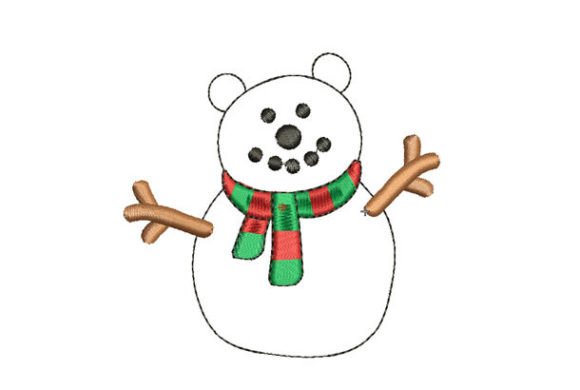
Christmas Bear: A Designer's Review for Craft Fair Success
As I prepare my booth for the upcoming weekend craft fair, my table is covered in potential winners: embroidered tote bags, festive aprons, tea towels, patches, caps, small pouches, and pillow covers. In this sea of handmade goods, every machine embroidery design must earn its place. Today, I am putting the Christmas Bear under the microscope. This isn't just about whether it looks cute on a screen; it is about whether it will stop a scrolling customer in their tracks and convince them to open their wallet.
The product description promises a "fun and unique" vibe ideal for "informal winter sewing projects." My first impression is that Christmas Bear leans heavily into the cozy, rustic farmhouse aesthetic that dominates the holiday market right now. It feels approachable and soft, lacking the stiff formality of traditional holiday motifs. For a craft fair product, this informality is a massive advantage. Customers at these events are looking for gifts that feel personal and warm, not mass-produced. The bear motif suggests nostalgia, making it an instant candidate for high-engagement handmade products.
Visual Impact and Product Placement
When evaluating where Christmas Bear performs best, I look at visibility. On a large canvas tote bag, this design shines as a central focal point. The "fun" nature of the bear likely translates well to bold thread colors against neutral fabric, creating the contrast needed to grab attention from three feet away. As a tote bag design, it offers immediate utility; shoppers can imagine carrying their own holiday purchases in it.
However, the real test is versatility. Does it work as apron embroidery? Absolutely. An apron with a whimsical bear is a top seller for hosts who want to add humor to their holiday cooking. For tea towel embroidery, the design needs to be scrutinized for scale. If the bear has intricate details, they might get lost on the looped texture of a waffle weave towel. I would recommend placing Christmas Bear on flat-weave linen or cotton blends where the fabric texture won't interfere with the stitch definition.
For smaller items like caps and patches, the design acts as a perfect accent. An embroidered patch featuring this bear could be ironed onto denim jackets or beanies, appealing to a younger demographic looking for subtle holiday flair. On a curved cap surface, the design must be digitized with pull compensation in mind to prevent distortion, ensuring the bear doesn't look squashed.
Production Realities for the Small Shop Owner
For any Etsy seller or boutique maker, batch production is key to profitability during the holidays. The description notes that this digital embroidery file comes in multiple formats, which is essential for compatibility across different machine brands. However, before running a production line of fifty pillow covers, you must assess the stitch density. High-density areas can cause fabric puckering, especially on lighter materials like those used for small shop products such as gift pouches.
If Christmas Bear features dense fill stitches, it adds a premium, tactile quality that justifies a higher price point. Conversely, if it relies on satin columns, it offers a sleeker, faster stitch-out time. The description mentions it is ideal for "informal" projects, suggesting the design might prioritize speed and charm over hyper-realism, which is excellent for high-volume commercial embroidery runs.
Photography is another critical factor. In an online listing, your printable mockup or actual photos must capture the texture of the stitches. A design that looks flat on a monitor but pops in person is a winner. Christmas Bear likely has enough character to photograph well, provided you use good lighting to highlight the thread sheen. This visual appeal directly influences buyer engagement and perceived value.
Critical Considerations Before You Stitch
While the potential is high, practical hurdles exist. Here is what I look for when reviewing a design like this for serious production:
- Fabric Compatibility: Dark fabrics can make certain thread colors vanish. Ensure your color palette for Christmas Bear contrasts sharply if you plan to stitch on navy or black garments.
- Detail Clarity: Tiny details, such as the bear's eyes or nose, may merge if stitched too small. Always test the smallest intended size on scrap fabric before committing to a final finished product.
- Stabilizer Selection: The right stabilizer is non-negotiable. For stretchy fabrics like caps or knits, a cut-away stabilizer prevents the design from warping over time. For woven towels, a tear-away might suffice, but test first.
- Hoop Size Constraints: Verify the required hoop size against your machine's capabilities. If the design is larger than your standard hoop, you may need to consider split-digitizing or limiting the products you offer.
It is also vital to check the licensing terms. The description states the file "can be used w," which implies specific usage rights. Before selling hundreds of units, confirm whether the license allows for unlimited commercial embroidery sales or if there are caps on production numbers. Never assume; always read the fine print included with your design assets.
Final Verdict for the Holiday Season
In the context of a busy craft fair booth, Christmas Bear has the makings of a standout seller. Its informal, fun nature bridges the gap between decorative home goods and wearable fashion. It strengthens brand consistency for makers who specialize in whimsical, handcrafted items. By carefully selecting the right fabrics, verifying the stitch density, and creating eye-catching displays, this design can drive significant traffic to your table.
Whether you are stocking up on Etsy listings or filling orders for local boutiques, treat Christmas Bear as a versatile asset. Test it on various materials, ensure your thread choices pop, and let the charm of the design do the heavy lifting. With the right execution, this bear won't just be a decoration; it will be the star of your holiday collection.