Crescent Halloween: A Designer's Review for Holiday Collections
As the autumn leaves begin to turn and the air grows crisp, my mind immediately shifts to the upcoming holiday rush. For those of us running small embroidery shops or managing Etsy storefronts, the period between October and December is not just a season; it is a critical business window. Every machine embroidery design we add to our library must earn its place by delivering value, visual appeal, and versatility. Recently, I took a close look at Crescent Halloween, a file categorized under Freebies within the Embroidery sector, to determine if it deserves a spot in my seasonal product lineup. This review is written from the perspective of a practitioner who needs to know how a design performs on real fabric for real customers.
First Impressions: Mood and Aesthetic Appeal
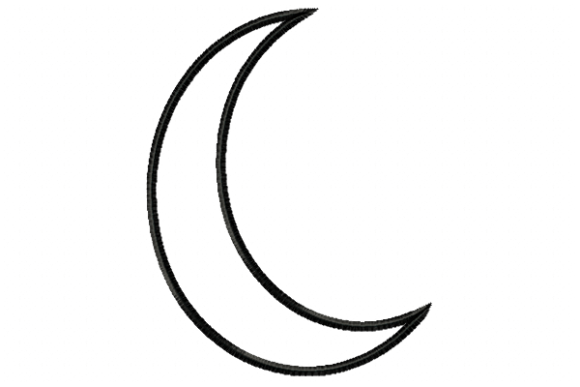
The moment I loaded the preview of Crescent Halloween, the vibe was unmistakable. It strikes a perfect balance between playful and nostalgic, avoiding the overly gory or scary tropes that limit market appeal. Instead, it leans into the cozy, whimsical side of the holiday. The crescent motif suggests a gentle night sky, making it suitable for children's items without being frightening. This emotional tone is crucial because it expands the potential customer base beyond horror enthusiasts to include parents looking for cute baby onesies, families wanting matching pajamas, and home decorators seeking subtle festive touches.
The decorative style feels modern yet timeless. It does not rely on excessive detail that might get lost in smaller applications, nor is it so simple that it lacks character. For a seasonal embroidery piece to succeed in a crowded marketplace, it must have immediate visual recognition. Crescent Halloween achieves this with a silhouette that reads clearly even from a distance, which is essential for craft fair displays where buyers scan tables quickly.
Strategic Applications for Seasonal Sales
When planning a small shop product collection, versatility is king. I evaluated how Crescent Halloween would perform across various substrates commonly used in commercial embroidery. Here is where this design shines:
- Sweatshirt Embroidery: The design scales beautifully on adult hoodies and youth sweatshirts. Placed on the left chest or as a larger back piece, it creates an instant bestseller for limited-edition apparel drops.
- Tote Bag Design: Canvas totes are huge for trick-or-treating. The clean lines of the crescent shape stitch out crisply on heavier fabrics, making it a practical and reusable handmade gift.
- Kitchen Towel Embroidery: Holiday hosting drives sales for linens. This motif works wonderfully on flour sack towels, adding a touch of festivity to the kitchen without overwhelming the space.
- Pillow Cover: Home decor enthusiasts love swapping out accents for the season. Stitching this onto a velvet or linen pillow cover creates a high-value item that feels premium.
- Embroidered Patch: By using a tear-away stabilizer and cutting around the stitch-out, this design can be turned into an iron-on patch, appealing to the DIY crowd who want to customize denim jackets or backpacks.
Furthermore, the design is excellent for creating personalized gift bundles. Imagine pairing a stitched tote bag with a matching kitchen towel, or offering a "family pack" of shirts with varying sizes of the same crescent motif. These bundles increase average order value and simplify the decision-making process for gift-givers.
Technical Considerations and Production Notes
While the aesthetic is strong, a professional designer must always consider the technical execution. Since Crescent Halloween comes with multiple embroidery file formats, compatibility is rarely an issue, but specific production variables require attention. The product description notes it is suitable for clothes and gifts for children, implying a need for softness and durability.
Stitch density is a primary concern. If the design is too dense, it can make stiff garments like baby onesies uncomfortable. I recommend running a test stitch-out on a scrap piece of your intended fabric to check the hand feel. If the coverage is heavy, consider reducing the density slightly in your editing software, provided the license allows modification.
Hoop size is another factor. While the exact dimensions are not specified in the brief description, you must confirm the minimum hoop requirement before committing to a project like curved caps or small pockets. Always ensure your frame can accommodate the design without re-hooping, which can lead to registration errors.
Regarding thread colors, the mood of this design relies heavily on contrast. On dark fabrics, use bright oranges, yellows, or metallic threads to make the crescent pop. On light fabrics, deep purples or blacks create a striking silhouette. However, be cautious with metallic threads on items that will undergo repeated washing, such as sweatshirt embroidery or daily-use tote bags, as they may fray over time.
Navigating Fabric Textures and Stabilizers
The success of any digital embroidery file depends on the foundation it is built upon. Fabric texture plays a massive role in the final look of Crescent Halloween. On fluffy towels or textured knits, fine details can get swallowed up. For these materials, ensure you are using a robust stabilizer. A cut-away stabilizer is often best for stretchy garments to prevent distortion after washing, while tear-away works well for stable woven fabrics like linens.
Special care is needed when stitching on dark fabrics. If the design includes open spaces or satin columns, ensure there is no underlying fabric show-through that disrupts the image. Sometimes, underlay stitches need adjustment to ensure the top threads lay flat and opaque.
Marketing and Visual Presentation
In the world of online selling, particularly for an Etsy seller, the image is everything. Crescent Halloween lends itself perfectly to creating atmospheric printable mockup graphics. Because the theme is inherently seasonal, photoshoots featuring pumpkins, dried corn stalks, or warm lighting can elevate the perceived value of the finished product.
Social media previews showing the needle penetrating the fabric or a time-lapse of the design stitching out can generate significant engagement. Buyers love seeing the process; it builds trust in your craftsmanship. Highlighting that this is a holiday embroidery piece available for immediate customization can trigger impulse buys during the short Halloween shopping window.
Final Verdict for Business Owners
Integrating Crescent Halloween into your collection is a low-risk, high-reward move, especially given its status as a potential freebie or accessible file. It checks the boxes for emotional resonance, technical feasibility, and market versatility. Whether you are decorating aprons for a bakery, creating ornaments for a tree, or stitching patches for a local school fundraiser, this design adapts well.
However, a word of caution regarding licensing: always verify the commercial terms before selling items made with this file. Even if a file is free for personal use, selling the finished product often requires a specific commercial license. Ensure you have cleared this hurdle to protect your business.
In conclusion, Crescent Halloween is a solid contender for your autumn inventory. It captures the spirit of the season without being cliché, offers flexibility across various products, and appeals to a broad demographic. With proper testing of thread colors and stabilizer choices, it can become a staple in your holiday offerings, driving sales and delighting customers looking for that perfect, handmade touch.