Cross Stitch Embroidery Digital Papers Review
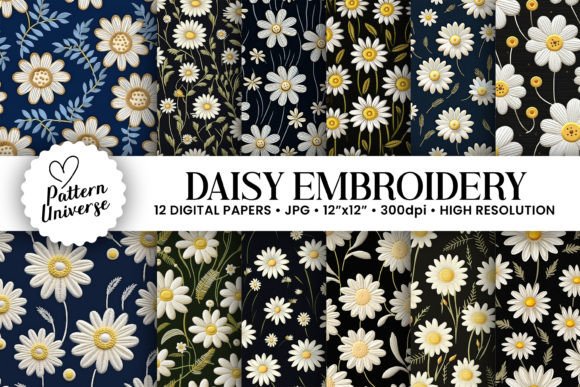
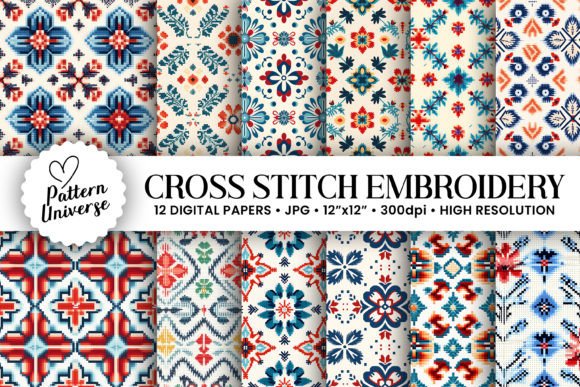
As an embroidery designer who spends most of my day staring at stitch simulations and thread charts, I approach digital assets with a specific set of criteria. When I stumbled upon the Cross Stitch Embroidery Digital Papers available as a freebie on Creative Fabrica, my initial reaction was curiosity mixed with professional skepticism. The product description highlights 12 seamless patterns generated by AI, marketed primarily for gift wrapping, greeting cards, and scrapbooking. However, in my line of work, I am always looking for ways to bridge the gap between flat graphics and tangible handmade products. This review explores whether these graphics can truly serve as a foundation for real-world embroidery projects or if they are strictly limited to print-only applications.
First Impressions: Visual Mood and Texture
Upon downloading the files, the first thing that strikes you is the consistency of the visual mood. The collection captures that nostalgic, handcrafted aesthetic of traditional cross-stitch without the pixelation often found in lower-quality scans. The "stitching personality" is surprisingly convincing; the X-shapes are uniform yet retain enough organic variation to feel handmade rather than rigidly computer-generated. For a designer, this texture is gold. It offers a decorative appeal that naturally fits into trends favoring cottagecore, vintage nursery decor, and rustic home goods.
While these are technically Graphics and not a machine embroidery design file (like PES or DST), the visual language speaks directly to our craft. The color palettes appear thoughtful, ranging from soft pastels suitable for baby items to bolder contrasts that could work on kitchen textiles. As a Freebies offering, the quality exceeds expectations, providing a robust library of backgrounds that can elevate a simple project into something that looks professionally curated.
Translating Flat Graphics to Embroidered Goods
The core question for any embroidery professional is: how does this translate to fabric? Since these are seamless patterns, they are incredibly versatile for creating custom backdrops on larger items. Imagine using one of these patterns as a full-field fill on a tote bag design or a sweatshirt embroidery project. Instead of stitching thousands of individual crosses, which can be time-consuming and thread-heavy, one could use these digital papers to create a printed underlay or a hybrid appliqué.
For those selling on Etsy or at craft fairs, these patterns are excellent for creating printable mockup assets. Before committing thread and fabric to a finished product, you can visualize how a specific cross-stitch motif would look against these backgrounds. Furthermore, if you offer custom apparel, these graphics can be heat-transferred onto dark fabrics where stitching a full background would be impractical. You could then embroider a monogram or a focal applique design over the printed pattern, creating a layered, high-value item.
Consider the potential for an embroidered patch. By printing these patterns onto twill or canvas and then adding satin stitch borders or specific details with your machine, you create a unique commercial embroidery product that stands out from standard stock designs. The seamless nature of the files means you can tile them to fit any hoop size, ensuring no awkward cuts in the pattern continuity.
Practical Considerations for Real-World Use
However, we must address the limitations honestly. If you intend to use these purely as a reference to digitize into a digital embroidery file, proceed with caution. AI-generated images do not contain actual stitch data. Converting these complex textures into stitches requires significant manual digitizing to manage stitch density. A direct auto-digitize of these patterns could result in a puckered mess, especially on stretchy fabrics like jersey knits used for t-shirts or baby onesies.
When working with textured fabrics like linen towels or heavy canvas aprons, the visual complexity of the cross-stitch pattern might get lost if not paired with high-contrast thread colors. On dark fabrics, the lighter tones in the digital paper might not pop unless you are using a white underbase print or light-colored threads exclusively. For curved surfaces, such as a cap, a printed background works better than attempting to stitch a dense fill, which can cause registration issues and discomfort for the wearer.
Products that require frequent washing, such as kitchen towels or baby blankets, demand durability. If you are combining these printed graphics with embroidery, ensure your ink is cured properly and that you use the correct stabilizer to prevent the fabric from distorting around the stitched areas. Always test on scrap fabric first. Check how the printed pattern holds up after multiple wash cycles alongside your satin stitch or fill stitch elements.
Enhancing Product Value and Brand Consistency
In the competitive world of handmade goods, presentation is everything. Using cohesive design assets like Cross Stitch Embroidery Digital Papers can significantly boost buyer trust. When a customer sees a personalized gift that features a coordinated background pattern and matching embroidery, it signals attention to detail. This consistency helps in building a recognizable brand identity.
These graphics are particularly useful for seasonal handmade gifts. Whether it is a holiday pillow cover or a spring-themed tote, the ability to swap out background patterns quickly allows for rapid product iteration without redesigning the entire embroidery file. This efficiency can improve your profit margins on boutique merchandise. Additionally, for social media engagement, these patterns make excellent backgrounds for product photography, making your embroidered items pop in a feed full of generic white backgrounds.
Final Verdict and Usage Tips
So, is this download worth your time? For an embroidery designer looking to expand their toolkit beyond just thread and needle, absolutely. While Cross Stitch Embroidery Digital Papers are not a plug-and-play embroidery file, they are a powerful resource for hybrid crafting. They excel as backgrounds for sublimation, elements for collage-style patches, and visual references for digitizing simplified motifs.
Before integrating these into your workflow, keep these practical notes in mind:
- Verify Licensing: Even though this is a freebie, always confirm the license terms on the Creative Fabrica product page regarding commercial use for finished physical goods versus digital resale.
- Check Resolution: Ensure the downloaded files are high-resolution enough for your intended print size to avoid pixelation.
- Fabric Testing: Always run a test print on your specific fabric type to check color accuracy and ink absorption.
- Stabilizer Selection: When embroidering over printed areas, choose a stabilizer that supports the weight of the fabric without obscuring the printed design.
- Contrast Checks: Review your design on both light and dark mockups to ensure your embroidery threads will stand out against the pattern.
In conclusion, while these graphics won't replace your need for quality running stitch techniques or precise digitizing skills, they offer a creative shortcut to enhancing the overall aesthetic of your handmade product lineup. They are a smart addition to your library of design assets, perfect for the entrepreneur looking to add a touch of vintage charm to modern embroidery projects.