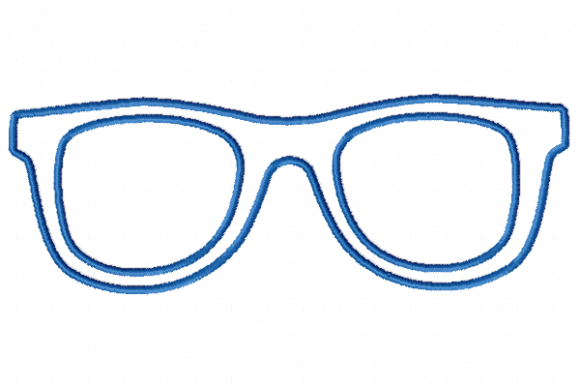
Glasses 02 Review: A Versatile Embroidery Design for Small Business Merch
As an embroidery designer who has spent years digitizing and reviewing files for commercial use, I approach every new machine embroidery design with a critical eye. It is not enough for a file to look cute on a screen; it must perform under the needle, withstand industrial washing, and elevate a brand's identity. Today, I am reviewing Glasses 02, a design categorized under Accessories that holds significant potential for small business merchandise, branded patches, and custom apparel.
Upon first inspection, Glasses exudes a friendly yet professional aesthetic. The description suggests it is suitable for children's gifts, which implies a playful and approachable vibe. However, in the context of commercial embroidery, this playfulness translates into a modern, creative brand personality. For boutique owners, creative studios, or local cafés looking to distinguish their staff uniforms or tote bags, this design strikes a balance between whimsical and polished. It avoids being overly childish, making it a viable option for a wide demographic of customers who appreciate handmade charm without sacrificing sophistication.
Real-World Application for Brand Identity
The true test of any digital embroidery file is its versatility across different substrates. Glasses 02 shines when considered as a central element for brand identity. Imagine a local coffee shop wanting to create a line of branded aprons. Placing this design on the chest pocket or the upper bib of an apron adds a touch of personality that standard text logos often lack. It signals to customers that the business values creativity and attention to detail.
For Etsy sellers and crafters, this design is a goldmine for creating small business merch. It works exceptionally well as an embroidered patch. Patches are currently a trending asset for brands because they can be applied to various items post-production, offering flexibility in inventory management. You could stitch Glasses onto twill backing, cut it out, and sell it as a standalone accessory or attach it to denim jackets, canvas tote bags, and backpacks. This transforms a simple embroidery file into a multi-purpose design asset.
Furthermore, consider its use on cap embroidery. The front panel of a baseball cap offers limited real estate, and designs must be compact yet legible. Given the subject matter, Glasses naturally fits the curved geometry of a cap front better than wide, horizontal logos. When executed with high-quality thread, it becomes a subtle but recognizable mark of a lifestyle brand, perfect for optometrists, bookstores, or indie fashion labels.
Navigating Technical Challenges in Production
While the artistic merit of Glasses is clear, a professional review must address the technical realities of production. The product description notes that the file comes in multiple formats, which is essential for compatibility with various machines. However, before running a full production batch, there are several factors a decorator must evaluate to ensure the finished product meets commercial standards.
One primary concern is stitch density. Designs intended for children or decorative purposes sometimes utilize higher stitch counts to achieve a plush, saturated look. While beautiful, high density can cause puckering on lightweight fabrics like poly-cotton blends used in t-shirts or aprons. I strongly advise testing the design on a scrap piece of your intended fabric first. If you notice the fabric pulling or the design sinking, you may need to adjust your stabilizer strategy. Using a cut-away stabilizer is often safer for patches and items that will undergo frequent washing, ensuring the Glasses motif retains its shape over time.
Another critical area is scale. If you plan to use this as a tiny label on a garment hem or a small tag on packaging, you must verify the minimum viable size. Fine details, such as the frames of the glasses or any internal stitching, can merge together if the design is scaled down too far. Always run a test stitch-out at your smallest intended size to check for clarity. Additionally, be mindful of thread colors. The default colorway in the file might be vibrant, but for a more premium, understated look on corporate uniforms, consider monochromatic threading. Testing the design in black and white first is a pro tip to see how the contrast holds up without relying on color differentiation.
Enhancing Customer Trust and Product Value
In the current market, consumers are drawn to brands that feel authentic and human. Incorporating a unique machine embroidery design like Glasses into your product line instantly elevates the perceived value of the item. A plain tote bag becomes a statement piece; a standard work shirt becomes a uniform with character. This visual consistency helps build brand recognition. When customers see this specific design repeatedly across your social media, packaging, and physical products, it creates a cohesive narrative that fosters trust.
For those creating printable mockups to pitch to clients or list on online marketplaces, this design offers excellent visual appeal. Its clean lines and recognizable shape translate well into digital renderings, helping you sell the concept before a single stitch is made. Whether you are a florist adding a branded touch to delivery bags or a pet brand creating bandanas, the addition of quality embroidery signals that you care about the details.
Final Designer Notes and Best Practices
Before integrating Glasses 02 into your commercial workflow, keep these practical steps in mind:
- Verify Licensing: The description mentions usage for clothes and gifts, but always confirm the specific commercial licensing terms with the seller to ensure you have the right to sell finished goods featuring this design.
- Check Hoop Size: Ensure the design fits within your available hoop sizes, especially if you are working with smaller hoops for caps or sleeves.
- Fabric Texture Matters: Test the design on textured fabrics like towels or canvas versus smooth poplin. The interaction between the thread and fabric texture can alter the final appearance significantly.
- Contrast is Key: On dark uniforms, ensure the thread colors chosen provide enough contrast so the Glasses design does not get lost in the background.
- Client Approval: If stitching for a client, always produce a physical sample or a high-fidelity mockup for approval before committing to a large run.
In conclusion, Glasses is more than just a decorative element; it is a strategic tool for small businesses looking to inject personality into their merchandise. With careful attention to stabilizer choice, scaling, and thread selection, this embroidery file can become a cornerstone of your custom apparel offerings. It bridges the gap between playful creativity and professional branding, making it a worthy addition to any embroiderer's library.