Rainbow Lucky Charm: A Designer's Take on This Free Embroidery File
As someone who spends more time at the hoop than away from it, I approach every new machine embroidery design with a mix of excitement and skepticism. We've all downloaded a "freebie" only to find it riddled with jump stitches, poor density, or shapes that just don't translate well to thread. So, when I stumbled upon the Rainbow Lucky Charm in the Freebies category, I didn't just look at the preview image; I started mentally simulating how it would behave on actual fabric. This isn't just about whether it looks cute on a screen; it's about whether it holds up as a professional asset for your craft business or a heartfelt touch for a personalized gift.
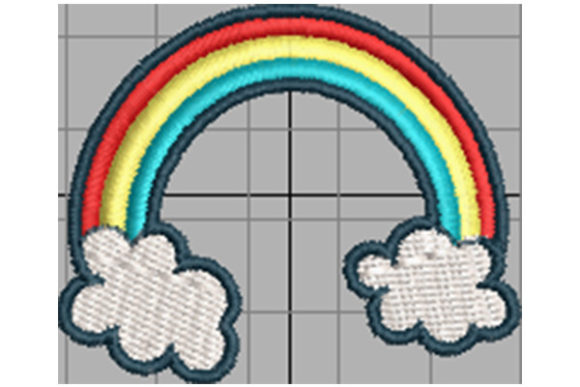
The first impression of the Rainbow Lucky Charm is one of whimsical optimism. The layout suggests a classic lucky motif—likely a four-leaf clover or horseshoe intertwined with a vibrant rainbow arc. Visually, it strikes a balance between playful and structured. For an embroidery project, this is crucial. Designs that are too loose can look messy after washing, while those that are too rigid lack character. The visual personality here feels right for spring collections, St. Patrick's Day merchandise, or year-round items meant to bring a smile. It has that specific "handmade product" charm that machine embroidery enthusiasts love, provided the digitizing supports the concept.
Putting the Design to Work: Real-World Scenarios
To truly evaluate an embroidery file, you have to imagine it on a finished product. Let's say I'm preparing a custom order for a local boutique that specializes in eco-friendly tote bags. They want something cheerful but not overly childish. The Rainbow Lucky Charm fits this brief perfectly. On a canvas tote bag, the texture of the fabric provides a great base for the fill stitches, likely used in the rainbow sections, while the outline of the charm would benefit from a crisp satin stitch. The contrast between the bright thread colors and the natural beige or white canvas would make the design pop without looking garish.
Another strong contender for this design is sweatshirt embroidery. Imagine a heather grey crewneck with the charm placed slightly off-center on the chest or larger on the back. The softness of the fleece pairs well with the rounded shapes typical of lucky charms. However, this is where a designer's eye needs to be sharp. Sweatshirts are thick, and if the stitch density is too high, the fabric might pucker or become stiff. Since the product description notes high quality and multiple sizes, I would select a medium-to-large size for apparel to ensure the details don't get lost in the nap of the fabric.
For Etsy sellers looking to expand their catalog, this design offers versatility. It could easily be adapted into an embroidered patch by adding a merrowed edge border (if your machine supports it) or simply cutting close to the satin border. Patches are huge right now, and a "lucky" theme sells well for backpacks, jackets, and hats. Furthermore, for those creating digital assets or printable mockups, the clean lines of the Rainbow Lucky Charm make it an excellent candidate for showcasing branding consistency across different product photos.
Technical Considerations and Fabric Compatibility
While the potential is high, practical application requires caution. Not every surface is created equal. If you are planning to use this on a cap, remember that curved surfaces distort designs. The arc of the rainbow in the Rainbow Lucky Charm might need careful hooping and possibly a lighter stitch count to prevent the brim from warping. Similarly, stretchy fabrics like jersey knits for baby embroidery projects demand a robust stabilizer strategy. Even if the design is small, the tension from the stitching can cause a onesie to twist after the first wash if the underlay isn't sufficient.
Dark fabrics present another challenge. The vibrancy of a rainbow relies heavily on thread color contrast. If you are stitching this onto a navy jacket or black apron, ensure your thread chart includes bright, saturated hues. A dull green or muted yellow will vanish against dark backgrounds, ruining the "lucky" effect. Conversely, on thin fabrics like silk scarves or lightweight tea towels, you must watch out for dense stitch areas. If the design uses heavy fill stitches for the clouds or pot-of-gold elements, it might show through to the other side or feel scratchy against the skin. Always test on scrap fabric first.
Enhancing Value and Customer Trust
In the world of commercial embroidery, the finish of your product dictates your reputation. A well-executed Rainbow Lucky Charm signals professionalism. It tells the customer that you care about detail. When a client receives a holiday gift or wedding favor with crisp edges, no bird-nesting, and vibrant colors, their trust in your brand deepens. This design, with its universally positive symbolism, enhances the "giftability" of any item it adorns. It transforms a plain pillow cover into a piece of nursery decor or a simple kitchen towel into a seasonal statement piece.
However, visual appeal is only half the battle. Stitching clarity is paramount. Small details, such as the tip of a leaf or the end of a rainbow, can easily turn into a blob of thread if the resolution of the digital embroidery file isn't optimized for the chosen size. Before committing to a production run, I strongly advise inspecting the design at 100% zoom in your embroidery software. Check for unnecessary jump stitches that you might need to trim manually. If the design includes tiny lettering (sometimes found in lucky charm variants), verify that it remains legible at smaller hoop sizes.
Final Verdict for Makers and Entrepreneurs
The Rainbow Lucky Charm stands out as a versatile asset for both hobbyists and small shop product creators. Its strength lies in its adaptability—it works as a focal point on a jacket or a subtle accent on a pocket. For craft business owners, leveraging free resources like this allows you to keep overhead low while offering fresh designs. Just remember that "free" doesn't mean "effortless." The value you add comes from your choice of materials, your stabilizer technique, and your attention to finishing touches.
Before you start stitching, confirm the licensing terms. While it is listed under Freebies, some designers allow personal use only, while others permit commercial sales of finished items. Never assume. Once cleared, treat this design as a foundation. Experiment with different thread palettes; maybe a pastel version for baby showers or a neon variation for festival gear. Test it on light and dark backgrounds to see how the thread colors interact. By approaching the Rainbow Lucky Charm with a critical yet creative eye, you can turn a simple download into a standout piece of your portfolio, ensuring that every finished product reflects the quality and care your customers expect.