Review: Welcome Summer, Alphabet Letter H Design
As a designer who spends more time staring at stitch simulations than most people care to admit, I approach every new machine embroidery design with a mix of excitement and skepticism. When I first loaded the Welcome Summer, Alphabet Letter H file into my software, my immediate reaction was one of relief. In a market flooded with overly complex, density-heavy patterns that eat up thread and break needles, this design offers a refreshing sense of balance. It feels less like a generic digital asset and more like a thoughtful component ready for real-world application.
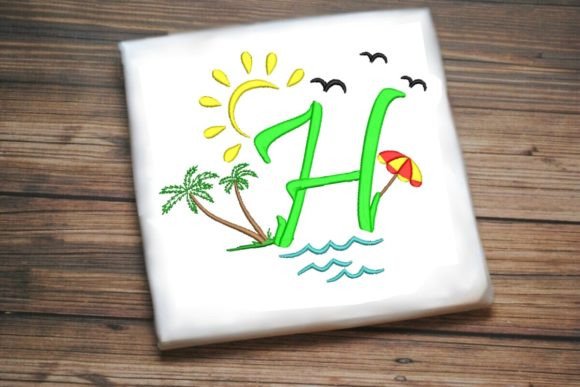
The visual personality of this pattern is distinctively seasonal without being cliché. The letter "H" serves as a sturdy anchor, adorned with elements that evoke the warmth and vibrancy of the season. For those of us running a craft business or managing an Etsy seller account, the mood a design creates is just as important as its technical execution. This piece strikes a cheerful, inviting tone that works exceptionally well for personalized gift items. It doesn't scream for attention; instead, it whispers quality, which is often what converts a browser into a buyer.
Real-World Application: The Tote Bag Test
To truly evaluate an embroidery project, you have to move beyond the screen and imagine the finished product in a customer's hands. I immediately envisioned this design on a canvas tote bag design. Picture a natural, unbleached cotton tote destined for a local farmers' market or a beachside boutique. The Welcome Summer, Alphabet Letter H sits perfectly centered, perhaps monogrammed for a specific client or used as part of a larger collection.
In this scenario, the design's layout shines. The adornments surrounding the letter provide enough visual weight to stand out against the textured weave of canvas, yet they aren't so dense that they cause the fabric to pucker excessively. For a small shop product, this balance is critical. A customer picking up this bag wants to feel the texture of the stitches, not a stiff, cardboard-like patch of thread. The flow of the decorative elements suggests movement, mimicking the breezy feel of summer, which adds significant perceived value to the item.
Beyond tote bags, I can see this working beautifully as sweatshirt embroidery. Imagine a light heather grey crewneck with the design stitched in vibrant coral or turquoise threads. The contrast would be striking, making it an ideal piece of custom apparel for a sorority event, a family reunion, or a limited-run summer collection. The scale appears versatile enough to sit comfortably on the chest without overwhelming the garment, maintaining a professional, boutique aesthetic rather than a DIY look.
Technical Performance and Stitching Clarity
When we dig into the technical aspects, the distinction between a good digital embroidery file and a great one often comes down to stitch clarity and density management. While specific stitch counts and file formats weren't provided in the initial listing—something you should always verify before purchasing—the visual structure suggests a smart use of satin stitch for the outlines and potentially fill stitch for the broader decorative areas. This combination usually yields crisp edges and smooth color transitions.
For commercial embroidery projects, consistency is key. If you are producing a run of twenty aprons or a set of kitchen towels, you need a design that registers correctly every time. The Welcome Summer, Alphabet Letter H appears to have clean pathing, which minimizes unnecessary jumps and trims. This not only saves production time but also reduces the risk of thread nests on the back of the handmade product. However, caution is advised when working with textured fabrics or materials with a high pile, like terry cloth towels. The finer details of the adornments might get lost if the fabric texture competes with the stitch definition.
Another consideration is the hoop size. Although exact dimensions weren't specified, designs of this nature typically fit within standard medium hoops. If you are planning to use this on curved surfaces like caps or visors, you must ensure your machine's cap frame compatibility aligns with the design's width. Stitching on a curved surface can distort wide designs, so testing on a scrap piece of similar material is non-negotiable.
Material Considerations and Fabric Pairing
The success of any embroidery file relies heavily on the foundation it is built upon. With Welcome Summer, Alphabet Letter H, fabric choice dictates the final outcome. On stable, woven fabrics like linen, cotton twill, or denim, the design will likely perform flawlessly. The structural integrity of these materials supports the stitch density well, preventing distortion.
However, challenges arise with stretchy knits or very thin silks. If you intend to use this for baby embroidery on a onesie, extra care is required. You would need a high-quality cut-away stabilizer to support the weight of the decorative elements, ensuring the garment doesn't sag after multiple washes. Similarly, when working with dark fabrics, you must pay close attention to thread colors. The design's charm relies on the interplay of light and shadow within the adornments; using low-contrast threads on a black background could render the details invisible, turning a beautiful motif into a muddy blob.
I also recommend testing the design in a black-and-white mockup before committing to thread. This helps you judge the value contrast independent of color. If the design holds up in grayscale, it will likely translate well to any color palette you choose, from pastels for spring to bold neons for mid-summer.
Commercial Viability and Brand Consistency
For creative entrepreneurs and digital product sellers, the question isn't just "does it look good?" but "does it sell?" The Welcome Summer, Alphabet Letter H has strong commercial potential because it taps into the perennial demand for personalization. Monograms are evergreen, but tying them to a seasonal theme creates urgency. Customers are more likely to buy a "Summer H" monogram in June than a generic one.
This design enhances brand consistency for shops that focus on seasonal rotations. It allows you to offer fresh inventory without reinventing the wheel. Whether used for holiday embroidery gifts, wedding favors, or boutique branding, the professional finish of the design elevates the perceived quality of your entire catalog. It signals to the buyer that you care about the details, fostering customer trust.
That said, always confirm the licensing terms associated with Freebies or paid downloads. Just because a file is available doesn't automatically grant rights for unlimited commercial embroidery use. Ensure you are compliant regarding the number of finished items you can sell or if the file can be used in printable mockup listings.
Final Designer Notes
Before stitching your final small shop product, take these practical steps:
- Test on scraps: Always run a sample on the exact fabric and stabilizer combination you plan to use for the final order.
- Check density: Inspect the back of the test stitch-out. If there is excessive buildup, consider reducing the density slightly in your editing software.
- Verify details: Zoom in on the tiny corners of the adornments. Ensure they are sharp and not merging into the main letter.
- Contrast check: Ensure your chosen thread colors pop against the fabric background, especially for outdoor or bright lighting conditions.
- Licensing: Double-check the usage rights to ensure you can legally sell the finished product or use it for client work.
In conclusion, Welcome Summer, Alphabet Letter H is a versatile, well-conceived addition to any designer's library. It bridges the gap between artistic flair and practical manufacturability, making it a solid choice for anyone looking to elevate their summer collection with professional-grade design assets.