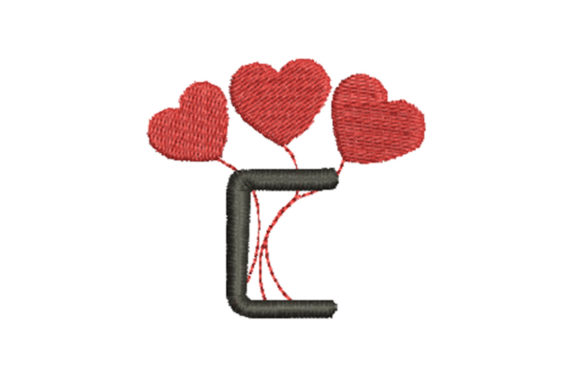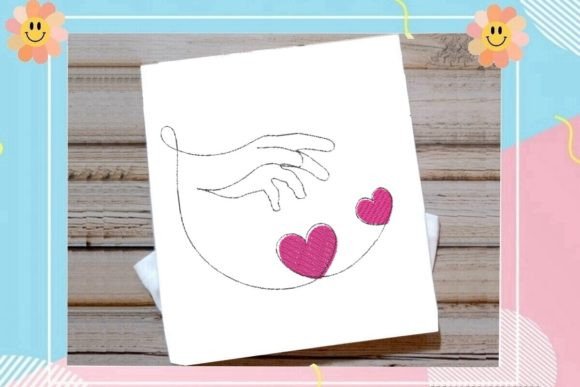
Reviewing Beautiful Heart Design 11 for Business Use
As an embroidery designer who has spent years digitizing patterns and consulting with small business owners, I know that not every design is created equal. When you are building a brand, whether it is a cozy local café, a boutique florist, or an Etsy shop selling handmade goods, the details matter. Today, I am taking a close look at Beautiful Heart Design 11, a machine embroidery design available as part of a freebies collection. While the term "freebie" often suggests casual or low-stakes usage, I approach every digital embroidery file with a professional eye. The question is not just whether it looks cute on a screen, but whether it holds up in commercial embroidery applications.
First Impressions: Visual Personality and Brand Fit
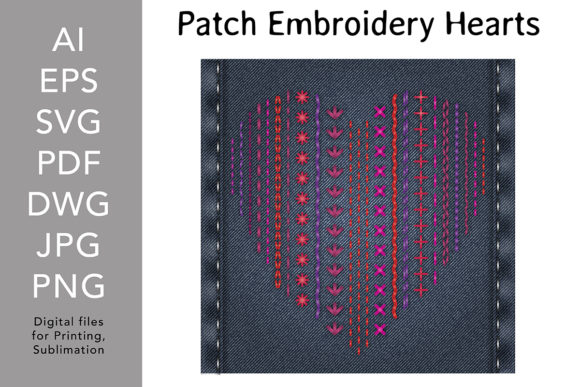
The title itself, Beautiful Heart Design 11, suggests a classic, perhaps slightly romantic or friendly aesthetic. In the world of branding, hearts are versatile symbols. They can convey warmth, care, love, and community. For a small business, this visual language is powerful. If you run a bakery, a pet brand, or a creative studio, a heart motif can soften your brand identity and make your custom apparel feel more approachable.
From a design perspective, I look for balance. Is the shape symmetrical? Are the curves smooth, or do they look jagged when zoomed in? Since this design comes with multiple file formats and can be used with various embroidery machines, it implies a level of technical compatibility that is essential for professional use. However, the true test is how it translates from a vector concept to thread on fabric. A well-digitized heart should feel premium, not cluttered. It should look intentional, whether it is stitched in a single bold color or a gradient of thread colors.
Real-World Applications for Small Business Merch
Let’s move beyond theory and discuss where Beautiful Heart Design 11 actually shines in a commercial setting. For small business merch, versatility is key. You want assets that work across different products without losing their impact.
- Embroidered Patches: This is arguably the best use case for a standalone icon like a heart. An embroidered patch allows you to apply the design to items that are difficult to hoop directly, such as thick jackets or textured bags. A heart patch can serve as a subtle brand mark on the sleeve of a staff uniform or the back of a tote bag.
- Apron Embroidery: For cafes, bakeries, and florists, aprons are walking billboards. Placing a clean heart design on the chest pocket area adds a touch of handmade charm. It signals to customers that your business cares about the details, enhancing customer trust.
- Cap Embroidery: Hats are high-value merchandise items. A small, well-placed heart on the front panel or the side of a cap can create a trendy, minimalist look. However, curvature matters. The design must be simple enough to distort minimally on the curved surface of a baseball cap.
- Tote Bag Design: Canvas totes are staples for retail shops. A heart motif stitched in a contrasting thread color can turn a plain bag into a desirable accessory. It works particularly well for eco-friendly brands or bookstores looking to project a warm, community-focused image.
Navigating Technical Challenges and Fabric Textures
While the aesthetic appeal is important, the technical execution determines the quality of the finished product. As a designer, I have specific concerns when reviewing any new embroidery file for production use.
Stitch Density and Fabric Texture
One of the most critical factors is stitch density. If Beautiful Heart Design 11 has too high a density, it can cause puckering, especially on lighter fabrics like cotton tees or linen aprons. Conversely, if the density is too low, the fabric might show through, making the design look cheap. Before running a full batch, you must test the design on the actual fabric texture you plan to use. Dark uniforms may require a white underlay or specific thread colors to ensure the heart pops without looking muddy.
Hoop Size and Placement
Since the description notes compatibility with various machines, you likely have options for hoop size. However, do not assume the design scales perfectly. Shrinking a design too much can cause registration issues, where the stitches overlap incorrectly. Expanding it too much can leave gaps. Always confirm the recommended hoop size and test the design at its intended scale. For small patch sizes, ensure the outlines are thick enough to remain visible after washing.
Stabilizer Selection
No matter how good the digital embroidery file is, poor stabilizer choice will ruin the result. For stretchy fabrics like performance wear or soft jerseys, a cut-away stabilizer is often necessary to maintain the shape of the heart over time. For woven fabrics like canvas or denim, a tear-away might suffice. Always match your stabilizer to both the fabric and the stitch count of the design.
Enhancing Brand Identity and Customer Engagement
Why go through the trouble of embroidering Beautiful Heart Design 11 instead of just printing it? The answer lies in perceived value. Embroidery adds texture and depth that printing cannot replicate. It signals quality and permanence. When a customer receives a product with a neatly embroidered heart, they perceive the brand as more established and professional.
This design can become a core part of your visual consistency. Imagine using the same heart motif on your packaging accents, your staff uniforms, and your social media printable mockup. This repetition builds recognition. It turns a simple shape into a recognizable asset of your brand identity. For handmade product sellers, this consistency is vital. It bridges the gap between a hobbyist vibe and a serious business operation.
Practical Designer Notes for Production
Before you load this file into your machine for a client order or your own inventory, follow these steps to ensure success:
- Test in Black and White First: Remove the distraction of color. Does the shape hold up? Are there any stray stitches or awkward jumps?
- Check Thread Color Contrast: Ensure your chosen thread colors stand out against the fabric. A dark heart on a navy shirt will vanish. Use a color wheel to find complementary or high-contrast pairings.
- Inspect Spacing and Details: Zoom in on the file. Look for tight corners that might cause thread breaks. If the design has intricate inner details, consider simplifying them for smaller applications.
- Create a Printable Mockup: Before stitching, place the design digitally on a photo of your garment. This helps you visualize the scale and placement, saving time and materials.
- Confirm Commercial Licensing: Even though this is listed under Freebies, always verify the license terms. Can you use it for items you sell? Most designers allow this, but some restrict it to personal use. Protect your business by confirming you have the right to use the design assets commercially.
- Follow the Store for Updates: The description advises following the store for updates on new models. This is good practice. Designers often release coordinating elements or improved versions of popular files.
Final Verdict on Beautiful Heart Design 11
Beautiful Heart Design 11 offers a solid foundation for small business branding. Its simplicity is its strength, allowing it to adapt to various applications from cap embroidery to tote bag designs. However, its success depends entirely on your technical execution. By paying attention to stabilizer choice, fabric texture, and proper scaling, you can transform this digital file into a high-value physical asset. Whether you are creating staff uniforms or limited-edition merchandise, this design can help convey the warmth and professionalism that modern customers crave. Just remember to test thoroughly, respect the technical limits of your machine, and always prioritize the quality of the finished product.