Santa Claus Design: A Pro Review for Holiday Stitching
As we move into the peak season for holiday crafting, my inbox is flooded with requests for festive machine embroidery design files that actually perform well under the needle. This week, I took a close look at the Santa Claus Design, a file marketed as an easy yet eye-catching option for Christmas arts and crafts. Having stitched hundreds of seasonal motifs for clients ranging from boutique apparel brands to Etsy sellers making personalized gifts, I approach every new embroidery file with a critical eye. It is not just about whether the image looks cute on a screen; it is about how the stitch density behaves on a sweatshirt, how the thread colors blend on dark fabric, and whether the final finished product holds up to the rigors of gifting and washing.
First Impressions and Visual Personality
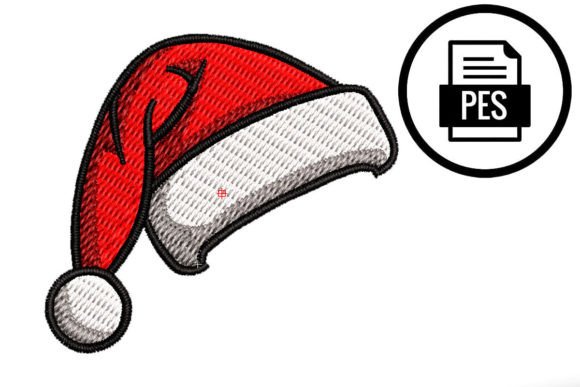
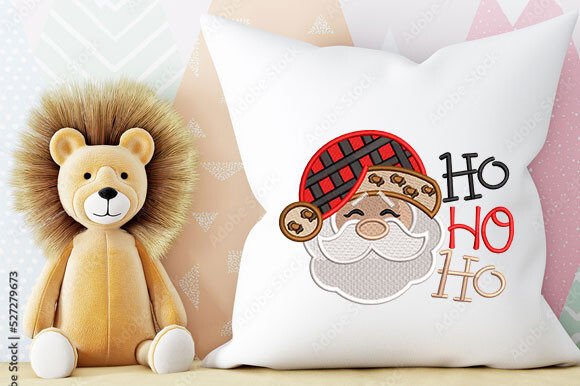
Upon loading the Santa Claus Design into my editing software, the first thing that struck me was its clean layout. Many holiday designs suffer from over-complication, trying to cram too many snowflakes, reindeer, and text elements into a small space. This design, however, focuses on the iconic figure of Santa, creating a strong focal point. The mood is undeniably cheerful and traditional, fitting perfectly for those seeking classic holiday embroidery rather than modern or abstract interpretations.
The visual personality suggests a design that relies heavily on solid fill stitch areas for the suit and hat, likely balanced with satin stitch columns for the trim and facial details. This combination is generally a safe bet for durability. For a craft business owner, this balance is crucial; too much dense filling can make a garment stiff, while too little detail can make the design look amateurish. The Santa Claus Design appears to strike a middle ground, offering enough detail to be recognizable without becoming a thread-eating monster that puckers lightweight fabrics.
Real-World Application: The Tote Bag Test
To truly evaluate this embroidery project, I simulated a real-life scenario that many of you face in December: creating a run of custom tote bags for a local market. Tote bags are popular small shop products, but they present unique challenges due to their canvas texture and potential for shifting. I envisioned placing the Santa Claus Design on a natural cotton canvas bag.
In this context, the design's simplicity becomes its greatest asset. Complex gradients often get lost in the weave of canvas, but the bold shapes in this Santa motif should pop nicely. For an Etsy seller, this means the listing photos will have high contrast and clarity. If you are planning to use this for custom apparel, such as a family matching set of sweatshirts, the design scales well. It is large enough to command attention on the back of a hoodie but compact enough to sit neatly on the chest pocket of a flannel shirt.
I also considered its use as an embroidered patch. With the right backing and a merrowed edge (if your machine supports it or if you finish manually), this design could serve as a standalone decorative element for jackets or hats, adding value to a basic garment and turning it into a premium handmade product.
Navigating Fabric Challenges and Hoop Constraints
While the Santa Claus Design shows promise, there are specific scenarios where caution is required. If you are working with stretchy fabrics like jersey knits for baby embroidery projects, the stitch density must be managed carefully. Heavy fill stitches can restrict the stretch of the fabric, making a onesie uncomfortable for an infant. In these cases, using a high-quality cut-away stabilizer is non-negotiable to prevent distortion after washing.
Another consideration is the hoop size. While the description mentions it is "easy," always verify the dimensions against your available hoops before committing to a production run. If you are stitching on curved surfaces like caps, ensure the design does not have fine details at the very edges that might get swallowed by the curve of the brim. Additionally, when working on dark fabrics, check the thread colors specified in the file. Sometimes, default color stops in an embroidery file assume a light background. You may need to manually adjust the sequence to include an underlay or a white base layer to ensure Santa's beard doesn't look gray against a navy blue sweatshirt embroidery project.
Commercial Viability and Brand Consistency
For commercial embroidery professionals, consistency is key to building customer trust. The Santa Claus Design offers a level of professionalism that can enhance your brand. A clean, well-digitized Santa looks far better on a printable mockup or a website banner than a pixelated or poorly stitched alternative. This directly impacts buyer engagement. When customers see crisp stitching in your product photos, they perceive higher value, which can justify a higher price point for your personalized gift items.
However, before listing this as a design asset in your shop or selling finished goods, you must review the licensing terms. Not all files labeled "Christmas Embroidery Designs" allow for unlimited commercial use. Some may restrict the number of physical items you can sell, while others might prohibit selling the digital file itself. Always confirm these details to protect your craft business from legal issues.
Practical Notes for the Serious Stitcher
Before you commit to a full production run of holiday goods using the Santa Claus Design, here are my professional recommendations:
- Test on Scrap Fabric: Never skip the test stitch. Use the exact same fabric and stabilizer combination you plan to use for the final product to check for registration issues.
- Check Thread Contrast: Ensure there is sufficient contrast between the reds, whites, and skin tones, especially if viewing the item from a distance.
- Review Stitch Density: If the design feels too stiff after testing, consider reducing the density in your editing software, particularly in the large red areas of the suit.
- Inspect Small Details: Look closely at the eyes and buttons. Tiny details can sometimes turn into thread blobs if the digitizing isn't precise.
- Mockup Verification: Create both color and black-and-white mockups to ensure the design holds its shape even without color cues.
- Fabric Texture Awareness: Remember that a design that looks perfect on smooth quilting cotton might behave differently on a textured waffle knit or a fuzzy fleece.
In conclusion, the Santa Claus Design appears to be a versatile contender for your holiday catalog. It balances festive charm with practical stitch construction, making it suitable for everything from tote bag designs to heirloom-quality pillow covers. By approaching it with the right preparation and an understanding of your specific materials, you can leverage this file to create stunning, profitable, and memorable holiday items. As with any digital embroidery file, the secret to success lies not just in the design itself, but in the skill and care of the maker behind the machine.