Spiderweb: A Designer's Review for Boutique Sweatshirts
As an embroidery designer who has spent years digitizing and stitching for small clothing brands, I approach every new machine embroidery design with a critical eye. It is not just about whether the file opens; it is about how that design translates onto fabric, withstands washing, and elevates a brand's identity. Recently, I evaluated the Spiderweb design, currently listed under Freebies, to see if it holds up for a premium sweatshirt collection. For Etsy sellers and apparel decorators looking to add a touch of seasonal charm without compromising on quality, this review breaks down exactly how this piece performs in a real-world boutique scenario.
First Impressions and Design Mood
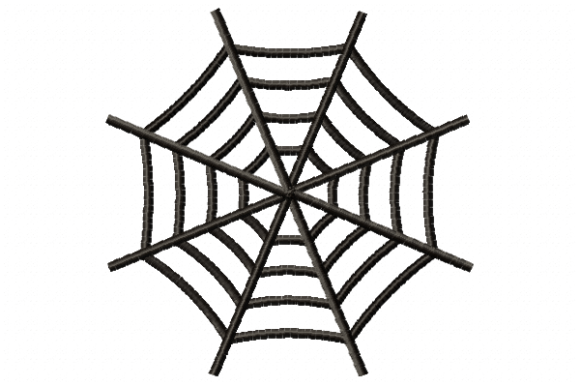
Upon loading the digital embroidery file, the first thing that strikes me about Spiderweb is its versatility. The description notes it can be used in clothes or as a nice gift for children, which immediately suggests a playful yet decorative aesthetic. In the context of a limited sweatshirt drop, this duality is gold. The layout appears clean, avoiding unnecessary clutter that often plagues free designs. For a boutique brand, the mood needs to strike a balance between cute and sophisticated. Spiderweb leans towards a rustic, cozy vibe, perfect for autumnal collections or Halloween-themed drops that don't scream "costume" but rather whisper "seasonal style."
The detail level seems appropriate for the intended scale. When reviewing a design for sweatshirt embroidery, one must consider how the lines will behave on thicker fabrics. A web pattern relies heavily on the integrity of its connecting stitches. If the stitch density is too low, the design may look sparse on dark fabric; if too high, it could cause puckering on lightweight fleece. My initial assessment suggests this design has a personality that is both minimal and decorative, making it a strong candidate for chest placements or subtle sleeve accents.
Fabric Compatibility and Color Strategy
The true test of any embroidery file is how it interacts with different fabric textures. For this hypothetical boutique drop, I visualized Spiderweb across several garment types. On neutral sweatshirts, such as oatmeal or heather grey, the design would require high-contrast thread colors to pop. A deep charcoal or midnight blue thread would create a sophisticated, understated look suitable for everyday wear. Conversely, on dark fabric like black or navy hoodies, switching to metallic silver or crisp white thread transforms the piece into a bold statement.
Pastel colors offer a different opportunity. Imagine an oversized hoodie in soft lavender or sage green. Here, Spiderweb takes on a feminine, whimsical quality. Using tonal stitching—where the thread color is only slightly darker than the fabric—creates a textured, almost embossed effect that feels incredibly premium. This technique is highly effective for custom apparel targeting customers who prefer subtlety over loud graphics. However, when working with pastel or light-colored fleece, one must be vigilant about the backing showing through. The open nature of a web design means the stabilizer choice is critical to ensure no ugly backing ruins the finished product.
Technical Considerations for Production
Before committing to a production run, there are practical designer concerns that must be addressed. Since the product description mentions the design comes with multiple embroidery file formats, it is essential to select the correct version for your specific machine and hoop size. For a small shop product, efficiency is key. You want a design that hoops quickly and runs without constant thread breaks.
Stitch density is paramount when embroidering on thick sweatshirt material. If the density is too aggressive, the needle can perforate the fabric excessively, leading to a stiff hand feel that customers dislike. Spiderweb appears to have an open structure, which generally aids in flexibility, but testing on a scrap piece of your actual inventory is non-negotiable. Additionally, consider the stabilizer. For heavy cotton blends, a cut-away stabilizer is usually best to provide long-term support, whereas a tear-away might suffice for lighter French terry. Always check the specific requirements in the file notes, as the provided description does not specify exact stitch counts or recommended stabilizers.
Washing durability is another major factor for commercial embroidery. A web design has many traveling stitches and potential jump points. Ensure that the tie-offs are secure so the design does not unravel after the first wash. For a boutique brand, buyer trust is built on the longevity of the handmade product. If the design fades or frays, it reflects poorly on your brand identity.
Elevating Brand Identity and Visual Recognition
Incorporating Spiderweb into your lineup can significantly affect product value. Unique, well-executed embroidery sets a small business apart from mass-market retailers. When customers see intricate stitching on a hoodie design, they perceive higher value, justifying a higher price point. This design works exceptionally well for lifestyle product photography. The geometric yet organic lines of a spiderweb create visual interest in mockup previews and Instagram posts, driving customer engagement.
For Etsy sellers, presenting this design as part of a cohesive collection enhances visual recognition. Whether placed on the left chest for a minimalist look or scaled up for a dramatic back design, consistency is key. Using Spiderweb across different items—perhaps pairing it with matching tote bags or beanies—creates a unified brand story. It signals to the customer that thought went into every detail of the finished product.
Final Verdict for Commercial Use
Is Spiderweb strong enough for commercial apparel use? Based on its adaptable nature and the potential for high-quality execution, the answer is yes, provided you manage the technical variables. It offers the flexibility to be rustic, playful, or elegant depending on your thread choices and fabric selection. However, since the listing categorizes this under Freebies, always double-check the license terms before selling items made with this design. Some free files are for personal use only, while others allow commercial application. Clarifying this protects your business from legal issues down the line.
Ultimately, this machine embroidery design is a valuable asset for creative entrepreneurs. It bridges the gap between seasonal novelty and timeless style. By paying attention to thread colors, stabilizer choices, and placement, you can transform a simple digital file into a best-selling item for your online shop. Remember to verify the specific hoop sizes and format compatibility included in the download, as the description notes multiple formats are available but does not list them explicitly. With careful preparation, Spiderweb can be the standout feature of your next cozy seasonal apparel launch.