Baby Airplane: A Designer’s Review for Branded Merch
As an embroidery designer who has spent years digitizing and reviewing thousands of patterns, I approach every new machine embroidery design with a critical eye. It is not just about whether the image looks cute on a screen; it is about how that design translates into thread, how it holds up in production, and ultimately, how it serves the brand identity of the small business owner using it. Today, I am taking a close look at the Baby Airplane design. While this pattern falls under the Babies Kids category, its potential extends far beyond nursery decor. For apparel decorators, Etsy sellers, and boutique owners, understanding the technical and aesthetic nuances of this design is crucial for creating high-value merchandise.
First Impressions: Visual Personality and Brand Fit
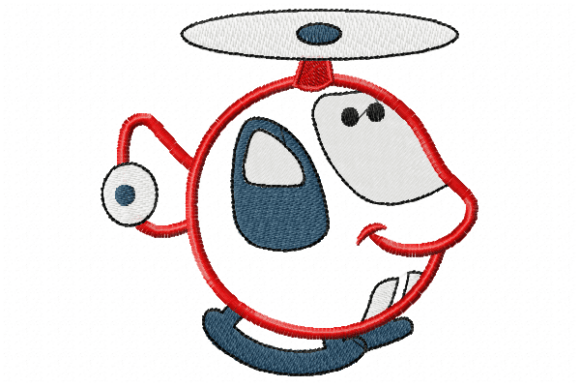
The first thing that strikes me about Baby Airplane is its inherent charm. The description notes that it is a beautiful design suitable for clothes or as a nice gift for a baby. Visually, this suggests a playful yet soft aesthetic. In the world of branding, "playful" does not always mean "childish." When applied correctly, whimsical elements can humanize a brand, making it feel approachable and friendly. For a handmade product line, this design offers a decorative touch that feels personal rather than mass-produced.
However, from a professional standpoint, we must ask: does it look premium? The answer depends largely on execution. A well-digitized airplane motif can convey movement and joy, which are excellent emotional triggers for customer engagement. If you are running a creative studio, a boutique, or a local business that values community and warmth, this design can serve as a subtle accent that reinforces those values. It is not bold or aggressive; it is elegant in its simplicity, provided the digitization respects the clean lines required for professional embroidery.
Real-World Applications for Small Business Merch
Let us move beyond theory and discuss where Baby Airplane actually works in a commercial setting. Many small business owners limit their thinking to baby onesies, but the versatility of this digital embroidery file allows for broader application in small business merch.
- Embroidered Patches: This is perhaps the most versatile use case. By stitching the design onto twill or felt and cutting it out, you create a durable patch. These can be sold as standalone accessories or used to brand tote bags and denim jackets. Patches allow customers to customize their own items, increasing the perceived value of your handmade product.
- Caps and Headwear: Cap embroidery is tricky due to the curved surface. If the Baby Airplane design is compact, it works beautifully on the side or back of a dad hat. It adds a unique detail that distinguishes your staff uniforms or promotional gear from generic corporate swag.
- Tote Bag Design: Canvas tote bags are staples for bakeries, florists, and bookshops. Placing this design on the corner of a tote creates a balanced, modern look. It acts as a visual anchor without overwhelming the bag’s utility.
- Apron Embroidery: For cafes and creative studios, branded aprons are essential. A small airplane motif on the chest pocket area adds a touch of personality to staff uniforms. It signals attention to detail and care, which translates directly to customer trust.
- Product Packaging Accents: Imagine a small fabric tag attached to your packaging, featuring this design. It turns a simple transaction into a memorable unboxing experience, reinforcing your brand identity with every sale.
Technical Considerations and Production Challenges
While the aesthetic appeal is strong, we must address the technical realities of production. The product description states that this embroidery machine design comes in multiple embroidery file formats. This is vital, but it is not enough. Before you run a batch of fifty units, you must evaluate the specific constraints of the design.
Stitch density is a primary concern. If the design is too dense, it will pucker lightweight fabrics like cotton voile or thin jersey. Conversely, if it is too sparse, it may look cheap on heavier materials like canvas or denim. You must test the design on the actual fabric you intend to use. Fabric texture plays a huge role; a rough linen will interact with the thread differently than smooth polyester.
Another critical factor is size. If you plan to use Baby Airplane as a small patch or a chest logo accent, ensure the details do not become muddy. Tiny lettering or intricate outlines can collapse when stitched at smaller scales. I always recommend creating a printable mockup first to visualize the scale, but nothing replaces a physical test stitch. Check the spacing between elements. If the wings of the airplane are too close to the body, they may merge during stitching, ruining the clarity of the image.
Furthermore, consider the hoop size requirements. Ensure your machine can accommodate the necessary frame without excessive re-hooping, which increases production time and labor costs. For curved surfaces like caps, you will need appropriate stabilizer support to prevent shifting. Using the wrong stabilizer can lead to distortion, making even the best design look amateurish.
Enhancing Brand Identity and Customer Trust
Why does this matter for your bottom line? Because consistency builds trust. When a customer sees the same high-quality Baby Airplane embroidery on your tote bags, your staff aprons, and your packaging, it creates a cohesive brand experience. This visual consistency signals professionalism. It tells the buyer that you care about every touchpoint of their interaction with your business.
In the realm of custom apparel and handmade goods, buyers are looking for authenticity. A generic printed logo often feels cold. Embroidery, with its tactile depth and sheen, feels premium. By integrating this design into your product line, you elevate the perceived value of the finished product. It becomes more than just a bag or a shirt; it becomes a piece of art that represents your brand’s story.
Moreover, unique design assets like this help you stand out in saturated markets like Etsy. When shoppers scroll through hundreds of listings, a distinctive embroidered detail can be the deciding factor. It captures attention and encourages engagement, leading to higher conversion rates.
Practical Designer Notes for Implementation
Before you commit to full-scale production, follow these steps to ensure success with the Baby Airplane design:
- Test in Black and White: Stitch the design in single-color thread first. This reveals any issues with shape definition or spacing without the distraction of color changes.
- Check Thread Color Contrast: If using multiple colors, ensure there is enough contrast between them so the design remains legible from a distance.
- Verify Commercial Licensing: The description mentions it can be used for gifts, but you must confirm the license terms for commercial embroidery. Never assume a file is cleared for resale without explicit permission.
- Create Client Mockups: If you are doing work for a client, provide a digital mockup alongside a physical sample. This manages expectations and ensures approval before you cut fabric.
- Compare with Other Assets: Place the stitched sample next to your existing logo and branding materials. Does it complement them? Does it clash? Ensure it fits within your overall visual strategy.
In conclusion, Baby Airplane is more than just a cute motif for babies. With careful technical evaluation and strategic placement, it becomes a powerful tool for small business branding. Whether used on an apron, a cap, or a tote, it offers a way to inject personality and professionalism into your merchandise. Just remember to respect the limitations of the medium, test thoroughly, and always prioritize quality over speed. Your brand reputation depends on the integrity of every stitch.