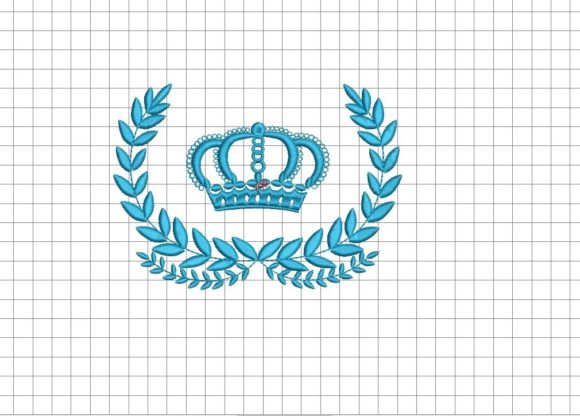
Prince Review: A Regal Touch for Baby Embroidery Projects
As a designer who spends more time staring at stitch maps than most people care to admit, I approach every new machine embroidery design with a mix of optimism and skepticism. We have all downloaded a file that looked stunning on the screen only to turn into a puckered mess on the hoop. That is why I took a close look at Prince, a design categorized under Babies Kids, to see if it holds up under the scrutiny of real-world production. This isn't just about whether it looks cute; it is about whether it can survive the wash cycle, elevate a handmade product, and justify its place in a craft business inventory.
First Impressions and Visual Personality
When I first loaded the preview of Prince, the immediate takeaway was its gentle yet dignified mood. The layout suggests a classic theme suitable for a baby boy, avoiding overly busy details that often get lost in small-scale embroidery. The visual personality feels timeless rather than trendy, which is crucial for items like baby bibs, onesies, and blankets that parents want to keep as keepsakes. The balance between open space and stitched areas suggests a thoughtful approach to stitch density, aiming for coverage without overwhelming delicate fabrics. For a designer, this initial assessment tells me that Prince is likely intended for satin stitch outlines paired with softer fill stitch areas, creating a texture that invites touch rather than just sight.
Real-World Application: The Boutique Baby Gift
To truly evaluate this embroidery file, I imagined a specific scenario: preparing a custom gift set for a high-end boutique client. The project involves embroidering a set of organic cotton pajamas and a matching receiving blanket. This is where Prince shines. On the pajama chest pocket, the design acts as a focal point without dominating the garment. Because the theme is so universally recognizable, it instantly communicates "baby boy" without needing extra text, making it perfect for last-minute personalized gifts.
If I were an Etsy seller or a small shop owner, I could see this working beautifully on terry cloth bibs. The texture of the towel combined with the raised stitches of the design would create a tactile experience that enhances the perceived value of the finished product. It is not just a decoration; it becomes part of the brand identity for a nursery line. Whether used for holiday embroidery during the Christmas rush or as a staple for year-round baby showers, the versatility here is significant. It transitions well from a simple custom apparel update to a standout feature on a tote bag design for carrying baby essentials.
Technical Considerations and Fabric Challenges
However, no design is without its challenges, and a professional review must address where caution is needed. Since Prince is targeted toward babies, we are often dealing with tricky materials. Thin knits, stretchy jersey, and slippery satin are common in this category. If you attempt to stitch this on a stretchy onesie without the proper stabilizer, you risk distortion. The design's integrity relies on the fabric remaining flat; any shifting during the run will ruin the alignment of the details.
I would also advise careful consideration regarding hoop size. While the description mentions multiple files, always verify the dimensions against your specific hoop before starting. If the design includes fine lines or small corners, these can become problematic on textured fabrics like pique or heavy fleece. The needle might struggle to penetrate thick loops, causing skipped stitches or broken threads. For dark fabric backgrounds, you must check the thread colors included in the package. A design optimized for pastels might vanish on navy blue unless the digitizer has accounted for sufficient contrast or underlay stitching.
Furthermore, if you are considering this for curved surfaces like a baby cap, be aware that standard flat files often distort on rounded shapes. Unless specifically digitized as a cap file, the proportions of Prince might look stretched or compressed at the edges. Always test on a scrap piece of the actual material you intend to use. This step is non-negotiable for maintaining professionalism and ensuring customer trust.
Enhancing Brand Value and Customer Appeal
Beyond the technical execution, how does Prince affect the bottom line? In the world of commercial embroidery, visual appeal translates directly to sales. A clean, well-executed design signals quality. When a customer sees a crisp satin stitch border and smooth fills, they associate that precision with the maker's skill. This builds brand consistency. If you are selling digital embroidery file assets, providing a design that stitches out cleanly reduces support tickets and increases positive reviews.
For those creating printable mockups or online listings, the distinct shape of Prince photographs well. It reads clearly even in thumbnail images, which is vital for scrolling shoppers on platforms like Etsy or Instagram. The design adds a layer of sophistication to a basic white onesie, allowing you to charge a premium for a handmade product versus a mass-produced item. It turns a commodity into a personalized treasure. Whether it is used for wedding gifts, such as embellishing a baptism gown, or for everyday wear, the design elevates the item's status.
Practical Notes for the Working Designer
Before committing to a full production run with Prince, here are my top recommendations for ensuring success:
- Test First: Always stitch a sample on scrap fabric identical to your final material to check for puckering or pull.
- Check Contrast: Review the design in black and white mockups to ensure the details remain visible regardless of thread choice.
- Verify Licensing: Confirm the license terms before selling finished items or using the design in commercial products.
- Inspect Density: Look closely at dense areas; if they feel too stiff for a baby's skin, consider editing the fill density if your software allows.
- Stabilizer Selection: Match your stabilizer to the fabric weight; cut-away is often safer for baby clothes that will undergo frequent washing than tear-away.
- File Formats: Ensure the downloaded package includes the specific format compatible with your machine to avoid conversion errors.
In conclusion, Prince offers a solid foundation for anyone working in the Babies Kids niche. It balances aesthetic charm with practical application, provided the user respects the limitations of their materials and machinery. It is a design that rewards preparation and attention to detail, resulting in a finished product that feels both professional and deeply personal.