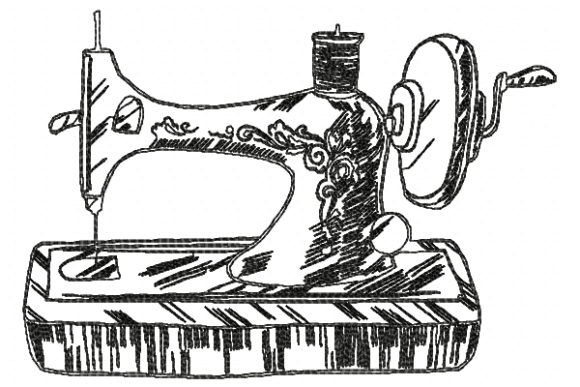
Sewing Line: A Designer's Review for Real Projects
As an embroidery designer who spends countless hours digitizing and stitching for clients, I am always cautious about downloading new assets, even when they are listed as Freebies. The market is flooded with generic designs that look good on a screen but fall apart under the needle. Recently, I came across a product titled Sewing Line on Creative Fabrica. The description promised a beautiful design suitable for pillows and gifts for crafty loved ones. Intrigued by its potential for my own boutique offerings, I decided to evaluate whether this machine embroidery design could hold up in a real-world commercial setting.
First Impressions and Visual Mood
When I first pulled up the preview for Sewing Line, the aesthetic immediately stood out as nostalgic and warm. It captures that classic "homemade with love" vibe that is currently trending in the handmade community. The design relies heavily on the visual language of construction—mimicking the look of a seam or a basting stitch. This makes it incredibly versatile. Unlike complex floral applique design files that require precise color changes and layering, this piece feels understated yet impactful.
The stitching personality appears to lean towards a clean running stitch or a tight satin stitch border, depending on how the digitizer interpreted the "line" concept. For a designer, this simplicity is a double-edged sword; it allows for quick production, but it also means any tension issues or fabric puckering will be immediately visible. There is nowhere for errors to hide in a linear design. However, if executed correctly, the decorative appeal is high, offering a minimalist touch that elevates a plain item into a curated handmade product.
Real-World Application Scenarios
In my shop, I am constantly looking for designs that can be adapted across various substrates without requiring a complete re-digitization. Sewing Line fits this need perfectly. Here is how I envision using it in actual customer orders:
- Tote Bag Design: Placed along the bottom hem or as a vertical accent on the side panel, this design adds a structural element that complements the utility of a canvas tote.
- Sweatshirt Embroidery: Running a single line down the sleeve or across the chest pocket area creates a subtle branding opportunity for custom apparel lines.
- Kitchen Towels and Aprons: Since the original description mentions gifting to someone crafty, this is ideal for linen tea towels. A contrasting thread color against natural linen looks exceptionally chic.
- Pillow Covers: As suggested by the product details, this shines on home decor. Stitching it as a border detail on a square pillow cover adds texture without overwhelming the fabric.
- Embroidered Patch: If hooped correctly on stable backing, this could serve as a standalone patch, perfect for ironing onto denim jackets or hats.
For Etsy sellers and craft fair vendors, the versatility of this digital embroidery file means you can create a cohesive collection. Imagine a "Maker's Kit" featuring a tote, an apron, and a pillow, all unified by this specific stitching motif. It builds brand consistency and enhances the visual appeal of your product photography.
Technical Considerations for Professional Results
While the design is promising, professional embroidery requires us to look beyond the pretty preview. Before committing to a customer order, there are several practical factors to consider regarding Sewing Line.
Fabric and Stabilizer Choices
Linear designs are notorious for causing distortion on stretchy fabrics. If you plan to use this on a sweatshirt or a knit cap, your choice of stabilizer is critical. A cut-away stabilizer is likely necessary to prevent the line from wavering after multiple washes. On woven fabrics like cotton twill or linen, a tear-away might suffice, but always test first. The stitch density of a line design can sometimes cause tunneling if the stitches are too long or too dense for the fabric weight.
Hoop Size and Placement
One of the advantages of a line-based design is that it often fits into smaller hoops, making it viable for caps or narrow areas like shirt cuffs. However, you must confirm the actual dimensions in the embroidery file details on the Creative Fabrica product page. If the line is intended to be long, ensure your machine's maximum hoop size can accommodate it without needing to re-hoop, which risks misalignment.
Thread Contrast and Visibility
The success of Sewing Line hinges on contrast. On dark fabrics, a light metallic or bright rayon thread will make the design pop, turning it into a statement piece. Conversely, using a tonal thread on a dark background creates a subtle, textural effect that feels premium and understated. Always review thread colors in a physical mockup rather than relying solely on screen simulations, as lighting affects how the sheen of the thread interacts with the fabric texture.
Impact on Product Value and Buyer Trust
In the world of commercial embroidery, perception is everything. Using a well-executed, simple design like Sewing Line can actually increase perceived value more than a cluttered, over-stitched graphic. It signals confidence in the craft. Customers appreciate attention to detail, and a crisp, straight line demonstrates machine precision and operator skill.
For those selling personalized gifts, this design serves as an excellent frame or divider for monograms. It guides the eye and structures the composition of the finished product. When photographed for social media or online listings, these clean lines translate beautifully, often performing better in printable mockup scenarios because they don't get lost in complex shading.
Final Verdict and Best Practices
Is Sewing Line worth downloading? For a designer looking to expand their library of utilitarian yet stylish elements, absolutely. It fills a niche for "quiet luxury" in the handmade market. However, because it is listed under Freebies, it is essential to manage expectations regarding file completeness.
Before stitching for profit, adhere to these professional steps:
- Check Licensing: Even free items on Creative Fabrica have terms. Verify if the license allows for unlimited sales of the finished product or if there are restrictions on commercial use.
- Inspect File Formats: Ensure the download includes the specific format your machine requires (PES, DST, EXP, etc.). The description mentions "multiple embroidery file formats," but always verify the list before purchasing time.
- Run a Stitch-Out: Never skip the scrap fabric test. Check for pull compensation, especially at the start and end points of the line.
- Review Small Details: Look closely at the corners or ends of the line. Are there loose jumps? Does the needle penetrate cleanly?
In conclusion, Sewing Line offers a charming, functional aesthetic that aligns well with current trends in home decor and custom apparel. While it may lack the complexity of a full-scene digitization, its strength lies in its adaptability and ease of integration into diverse product lines. With proper stabilization and thoughtful thread selection, this design can be a reliable asset for enhancing your commercial embroidery portfolio.